Furnace, Heat Pump, or Boiler: Choosing a Heating System for a Northwest Arkansas Home
The right heating system depends on your house, not on a brand, and the decision starts with a few plain questions.
September 30, 2026 · 4 min read
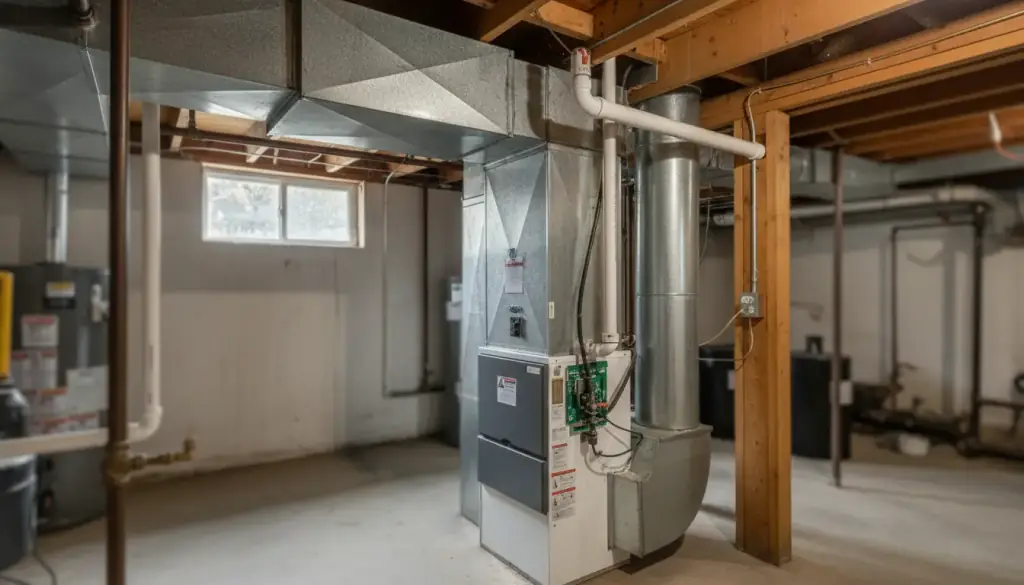
Choosing a new heating system is a decision you live with for years, and the options can sound interchangeable when a salesperson lists them. They are not. A furnace, a heat pump, and a boiler heat a home in different ways, and the right one depends on your house. Summit Heating and Air installs all three, so here is how to think through the choice before anyone comes to your door.
What each system does
- A furnace heats air and sends it through ducts to the rooms of the house. It is the most familiar choice in homes that already have ductwork.
- A heat pump uses electricity to move heat rather than generate it, and because it works in both directions it can also cool the house in summer.
- A boiler heats water and sends it through pipes to radiators or in-floor heating. It does not need ducts at all.
Those differences have practical consequences. Ducts you already own favor a furnace or a heat pump. A house with radiators points toward a boiler. The fuel available at your address matters too, and it is one of the first things to confirm.
What actually decides it
Summit's answer to the question of which heating system is best is short and honest: it depends on your home's size, climate, and heating needs. There is no single winner. A technician who assesses your situation in person can recommend the most appropriate and energy-efficient option for that house.
Come to that conversation with a few facts ready. How large is the house, and does it have more than one floor? Which rooms are always too cold? What do you use for heat today, and how old is it? Do you already have ducts in good condition? Answers to those questions narrow the field before anyone opens a catalog.
Will a new system pay for itself?
Summit's own answer is a qualified yes. Upgrading to a new high-efficiency heating system can significantly reduce your energy costs compared with an older, outdated unit, and the energy savings can offset the installation cost over time. The key words are over time. The savings depend on the equipment you are replacing, how you use your home, and what you install, so ask for the comparison in writing before you decide.
If you are not ready to replace the whole system, Summit's heating repair service covers everything from minor repairs to major overhauls.
Questions worth asking before you sign
Summit describes its heating installation as helping you choose the right system for your home and then installing it professionally. A good estimate from any contractor should leave you able to answer these:
- What size system is being recommended, and how was that size worked out for this house?
- Do the existing ducts or pipes need changes, and is that included in the quote?
- Which energy-efficient options fit here: a high-efficiency furnace, a programmable thermostat, zoning?
- What does the installation include, from removing the old equipment through testing the new system?
- What warranty applies, and what does it cover? Summit lists a 10-year labor and parts warranty, so ask how it applies to the equipment you are considering.
Thermostats and zoning
Two of the upgrades Summit lists under energy-efficient options deserve a closer look, because they change how a system behaves day to day.
A programmable thermostat lets you set a schedule, so the house is warm when you are home and not working as hard when you are away. It is a small change that homeowners tend to notice quickly.
A zoning system divides the house into areas, each controlled by its own thermostat. In a two-story house where the upstairs and downstairs never agree, or in a home with a wing that is rarely used, zoning lets each area heat to its own setting instead of everything following a single thermostat in the hallway.
Service before the heating season
Summit recommends having a heating system professionally serviced once a year, ideally before the heating season begins, to keep it efficient and prevent breakdowns. That lines up with a fall tune-up. A few things to do on your own before the first cold night:
- Replace the air filter, or confirm the current one is clean.
- Move furniture, rugs, and boxes away from vents and returns.
- Switch the thermostat to Heat and confirm the system starts and the house begins to warm.
- Replace thermostat batteries if the display is dim.
- Book a service visit instead of discovering a problem on the coldest morning.
Heating also connects to the air inside your house. Summit lists air purifiers, humidifiers, and ventilators as additions to a heating setup, which matter most in winter when windows stay shut.
If you are comparing a furnace, a heat pump, and a boiler for your home, call Summit Heating and Air at 479-234-4600 and ask about Summit's heating installation service. Free estimates are available.
Summit Heating and Air, 479-234-4600
Call 479-234-4600More articles
Why Your Air Conditioner Is Blowing Warm Air, and What to Check Before You Call
Four quick checks cost nothing, and knowing where they stop tells you when to pick up the phone.
Repair or Replace Your Air Conditioner: Five Signs That Decide It
One sign is a reason to ask questions; several together are a reason to get a replacement quote.